After Geo for Good 2025: What Became Clear

Geo for Good 2025 in New York was not about ideas or intentions. It was about what is already possible — and what is still failing to translate into day-to-day reality.
For Woza, the conversations and presentations reinforced a clear direction. Not a pivot, but a sharpening of focus.
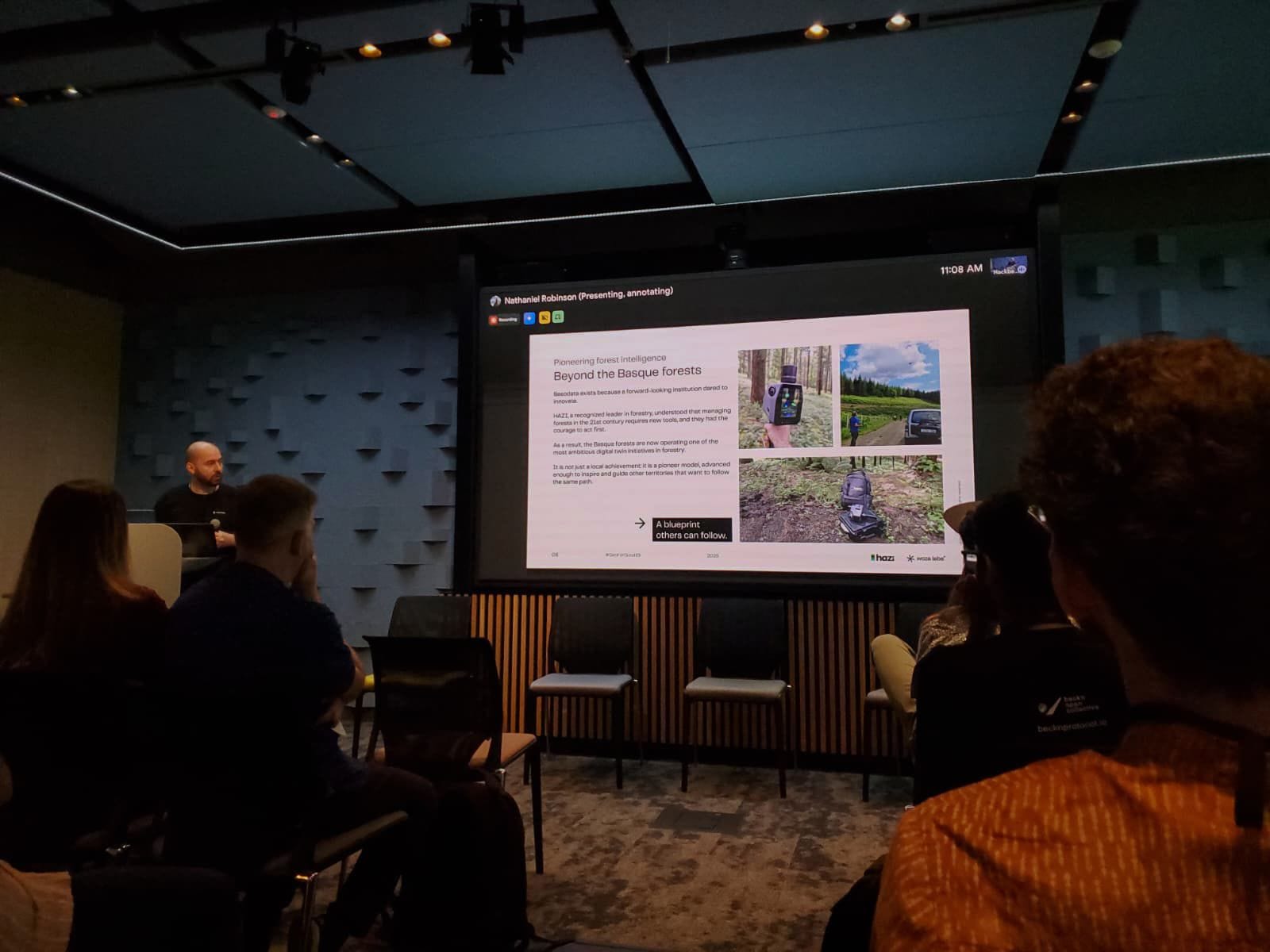
From concept to demonstrated impact
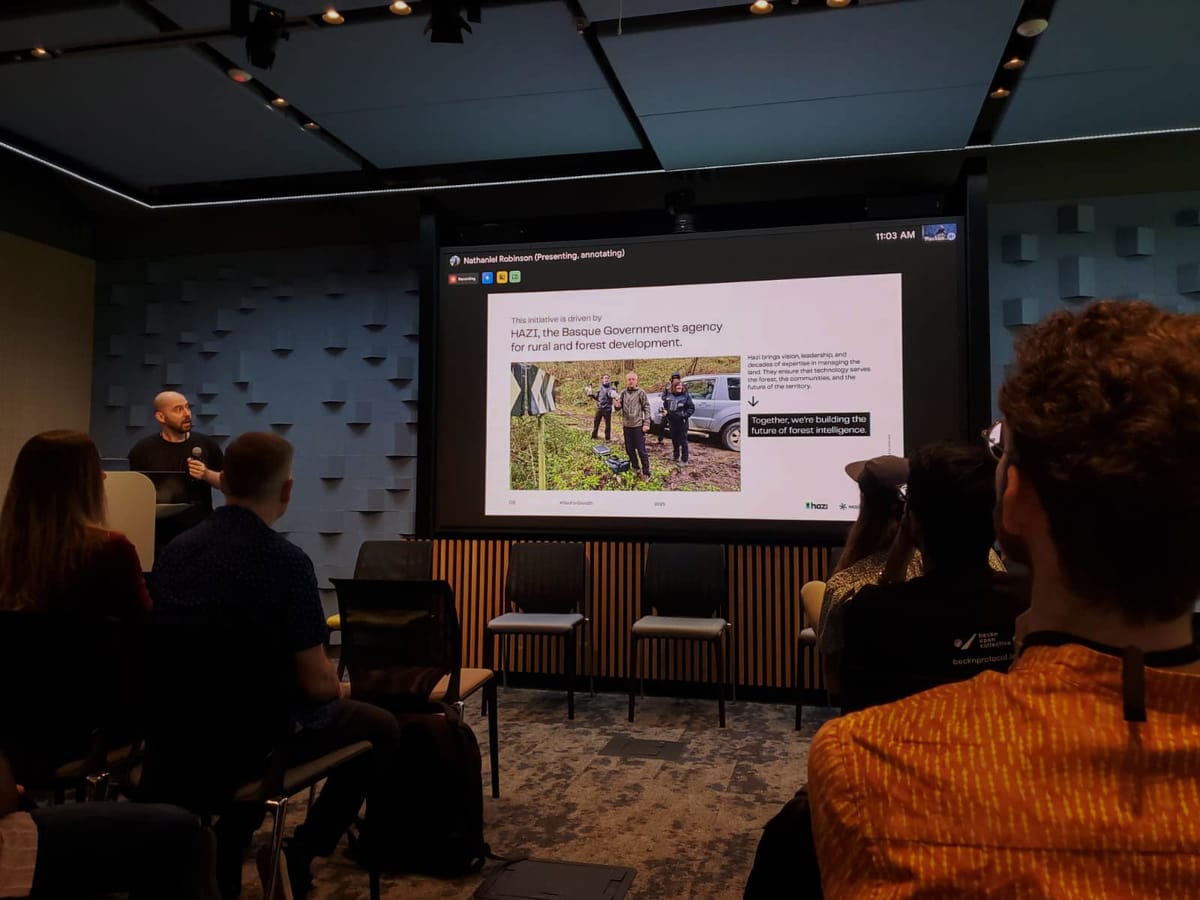
Presenting Basodata, the Forestry Digital Twin of the Basque Country, on a global stage matters for a simple reason: it demonstrates that territorial-scale digital systems are no longer theoretical.
Basodata is not a prototype. It is an operational system supporting forest management in Euskadi. Its presence at Geo for Good confirms that applied digital twin infrastructure can generate tangible impact when domain expertise and engineering discipline are aligned.
This is the standard that now matters.
Technology is advancing faster than implementation
The pace of advancement across Google’s technology stack and partner ecosystem is undeniable. Capabilities that were out of reach only a few years ago — in geospatial processing, AI, and large-scale data integration — are now accessible.
The limiting factor is no longer tooling. It is implementation.
Across sectors, the same gap appears repeatedly: powerful technologies exist, but they fail to translate into systems that operate reliably inside real institutions, workflows, and constraints.
Closing that gap is where Woza operates.
Purpose-built platforms, not generic solutions
This reality is why Woza is building dedicated platforms for specific operational problems, rather than general-purpose tools.
Predicterra focuses on climate risk management and prediction, designed to support decisions under uncertainty using advanced implementation models.
→ Predicterra.com
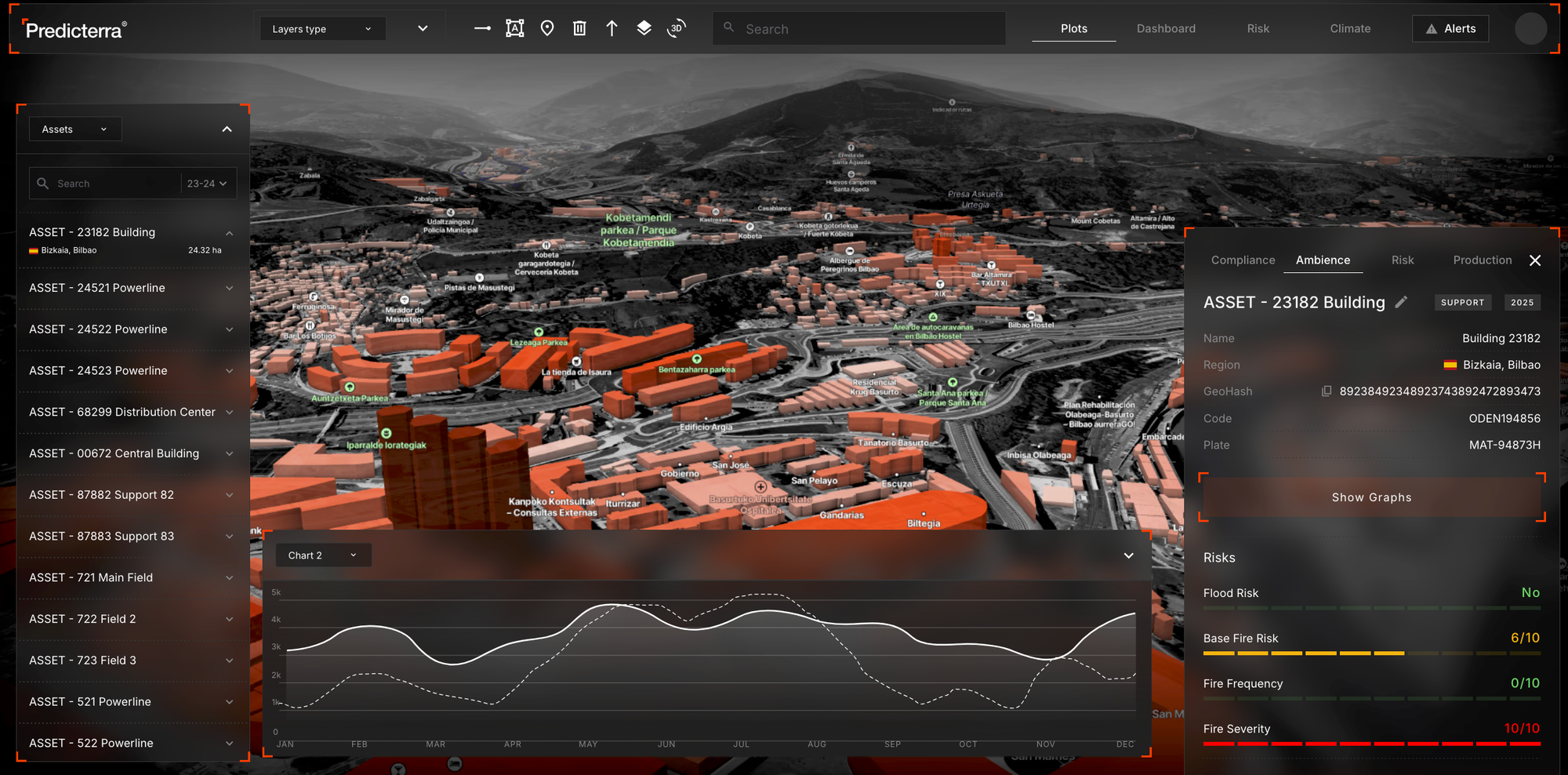
These platforms are engineered to move from capability to deployment — from models to systems that can be used consistently by organizations responsible for real outcomes.
Open models and shared data are structural, not optional
Another point reinforced at Geo for Good is the importance of openness. Not as a principle, but as a practical requirement.
Complex environmental challenges cannot be addressed through closed systems alone. Shared data models and interoperable protocols are necessary to scale impact across institutions and regions.
This is the rationale behind:
- AgriLayer, a simple data protocol for agricultural management
→ https://www.agrilayer.com - ForestLayer, its counterpart for forestry systems
→ https://www.forestlayer.com
These efforts are designed to reduce friction between systems, institutions, and disciplines, enabling collaboration without forcing uniformity.
What this confirms
Geo for Good 2025 reinforced a core belief at Woza: the future will not be built by isolated tools or abstract innovation. It will be built by operational systems, deployed with partners, grounded in domain expertise, and designed to function under real-world constraints.
As a Google partner and deep-tech developer, Woza remains focused on this work building digital infrastructure for climate, territory, and risk where it actually matters.
Learn more
To explore Woza’s work, platforms, and deployed systems:
→ Woza
For institutions interested in deeper discussions or demonstrations:
→ hello@wozalabs.com